
"annual output"
2000 article(s) found

Introduction to the flavor characteristics of hand-made coffee beans recommended by the top brands of boutique coffee beans
Professional coffee knowledge exchange more coffee bean information Please pay attention to the coffee workshop (Wechat official account cafe_style) many areas will have a variety of TOP rankings, such as the world's top ten symphony orchestras, the world's top ten wonders, the world's top 100 universities, coffee field has also been listed by some people in the world's top ten coffee

The Asian Coffee Annual meeting will be settled in Yunnan and will form a bond with the world.
At the first Asian Coffee Annual meeting, more than 500 experts, scholars and entrepreneurs from home and abroad exchanged widely, reached consensus and issued a joint declaration. According to the declaration, the purpose of the annual meeting is to strengthen coordination and cooperation among Asian countries in the coffee industry, enhance the voice of Asian coffee in the international market, exchange innovative scientific and technological knowledge of coffee, and establish science and use.

Acidity and texture of Sidamo Coffee Bean Flavor taste the characteristics of the manor producing area introduce Sidamo Shakiso
Coffee is Ethiopia's most important export cash crop and the main source of Ethiopia's foreign exchange earnings. Ethiopia's coffee exports account for about 3% of the world market, making it the eighth largest coffee exporter in the world. Coffee exports increased steadily from 58000 tons in 1990 to 110000 tons in 1995-1996 and remained at this level in the following years. 2001-2002

What are the world-famous coffee producing areas in Hawaii?
Colombia: the fun of exploring diversity annual output: 660000 tons many small Colombian coffee farmers grow, harvest and process their coffee beans independently, resulting in some refreshing single-plot coffee, their quality reflects the ingenuity of coffee farmers, as well as the unique culture in which they live. Ryan Knapp, manager of Madcap Coffee Company. Columbia Coffee is the biggest.

Is Kenya African beans: there are several brands of kenya coffee Kenyan coffee beans.
Ethiopia is the birthplace of the famous Arabica coffee beans, and people have always maintained the tradition of harvesting wild coffee beans. The coffee garden at an altitude of more than 1500 meters has formed a unique coffee style after thousands of years of evolution and adaptation. Ethiopian coffee grown in the natural wild environment is called wilderness coffee, which retains the most primitive and natural taste of coffee beans.

The world's top ten coffee bean brands in 2019, the world's top ten boutique coffee bean producing countries ranked 2019
Professional coffee knowledge exchange more coffee bean information Please pay attention to the coffee workshop (Wechat official account cafe_style) many areas will have a variety of TOP rankings, such as the world's top 10 symphony orchestras, the world's top 10 wonders, the world's top 100 universities, the coffee field has also been listed as the world's top ten coffee beans, the ranking based on those conditions or indicators is not known, but determined

The taste of Ethiopian coffee with the aroma of dried fruit. Ethiopian coffee products are introduced in the manor area.
Coffee is Ethiopia's most important export cash crop and the main source of Ethiopia's foreign exchange earnings. Ethiopia's coffee exports account for about 3% of the world market, making it the eighth largest coffee exporter in the world. Coffee exports increased steadily from 58000 tons in 1990 to 110000 tons in 1995-1996 and remained at this level in the following years. 2001-2002

Ethiopian Coffee producing areas distribute Ethiopian Coffee beans stories Ethiopian Coffee
Professional coffee knowledge exchange more information on coffee beans Please follow the coffee workshop (Wechat official account cafe_style) Coffee first discovered that the Kafa continent in southern Ethiopia was located in the place name Kaffa, and it was not officially named after Coffee until the 18th century. The geographical environment of Ethiopia is very suitable for coffee growth. nowadays, coffee is mainly grown between 1100 meters and 2000 meters above sea level.
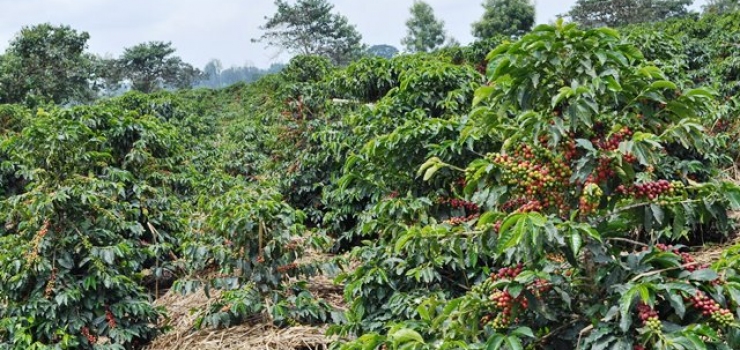
Annual output of Kenyan coffee the Kenyan coffee industry is showing signs of continuous decline
Professional coffee knowledge exchange more coffee bean information Please pay attention to the coffee workshop (Wechat official account cafe_style) in recent years, due to low rate of return and poor management, coffee production in Kenya has been declining year by year, the coffee industry is showing a declining trend. According to the latest data from Kenya's National Bureau of Statistics, Kenya's coffee exports fell to 2021 from 2639 metric tons in January 2020.

A brief introduction to the characteristics of the flavor and taste manor in the coffee producing area of Xidamo Shaqisuo, which is longer in Huigan.
Grows in western Ethiopia 4900-5900 feet (Wollega province) plateau, north of Jima, mostly wild, annual output is about 500000bags/60kg, export is mostly G5/G4, bean body is larger and longer than Longberry, a little brown in green, taste similar to less jasmine tea, more bitter, lack of rising Hara, slightly sour, slightly fruity and wine aroma, but slightly inferior to Hara.

Ethiopian Coffee Flavor with acidity and texture introduction to the characteristics of Fine Coffee beans in Manor area
Ethiopian people are addicted to coffee. In 2003, domestic consumption accounted for 42.3% of the total output, with a per capita consumption of 3 kg. But more than half of the coffee produced each year is used for export to earn foreign exchange. The main exporters include the United States, Italy, the United Kingdom, Sweden, Norway, Greece, France, Belgium, Germany and Australia. Before 1974, the right to produce, process and trade coffee was controlled by

Introduction to the characteristics of the flavor and taste manor in the coffee producing area of Xidamo Shaqisuo, which is longer in Huigan.
Gima, which accounts for about 50 per cent of Ethiopia's annual output, grows between 4400 and 6000 feet above sea level in the country's southwestern highlands (the border between Kaffa and Illubabor provinces) and is usually exported to G5/G4. However, in recent years, about 10% or 20% of Gima has been used to make up for the lack of taste of coffee, but its quality has gradually declined to its own level, but for the purchase of
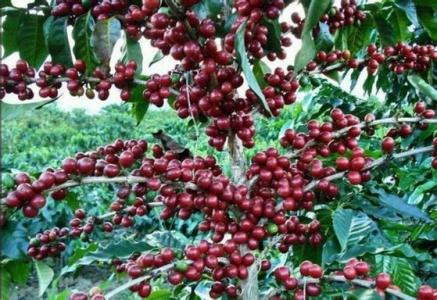
The first Asian Coffee Annual meeting was held in Mangshi, Yunnan.
China Economic News reporter Liu Ying reported that the first Asian Coffee Annual meeting was held in Mangshi, Yunnan Province on November 18-19, and Mangshi became the permanent venue of the Asian Coffee Annual meeting. This is the first time that the World Conference on Coffee Science has been held in an Asian country. More than 400 experts and scholars from nearly 60 countries and regions and coffee producers, entrepreneurs, scientific and technological workers and governments of some coffee producing areas in China

Distribution of Ethiopian Coffee production how to make good Coffee in Ethiopia
Professional coffee knowledge exchange more information on coffee beans Please follow the coffee workshop (Wechat official account cafe_style) Coffee first discovered that the Kafa continent in southern Ethiopia was located in the place name Kaffa, and it was not officially named after Coffee until the 18th century. The geographical environment of Ethiopia is very suitable for coffee growth. nowadays, coffee is mainly grown between 1100 meters and 2000 meters above sea level. Now

The flavor of Ethiopian coffee with the aroma of dried fruit. Introduction to the characteristics of fine coffee beans in the manor area.
Coffee is Ethiopia's most important export cash crop and the main source of Ethiopia's foreign exchange earnings. Ethiopia's coffee exports account for about 3% of the world market, making it the eighth largest coffee exporter in the world. Coffee exports increased steadily from 58000 tons in 1990 to 110000 tons in 1995-1996 and remained at this level in the following years. 2001-2002

Introduction of Ethiopian Coffee Coffee varieties, Brand characteristics, Flavor description, Grinding scale, Fine Coffee
Quality characteristics of Ethiopian coffee flavor description treatment sun-cured coffee accounts for 65% of exports. Mainly picked by families, red coffee beans are placed on cement floors or on high tables to dry to about 11.5% humidity, then peeled and cleaned. Coffee grading and quality control system in Ethiopia, coffee grading and quality control system is divided into producer, regional and national

Introduction of Coffee Variety treatment Manor of Lion King Coffee in Sidamo, Ethiopia
Ethiopia Sidamo Lion King Coffee Bean Variety processing Manor before 1974, coffee production, processing and trade rights were in private hands. During the military administration, private farms were nationalized and smallholder coffee producers were snubbed. In 1991, the Ethiopian Transitional Government issued a new economic policy to encourage private businessmen to export coffee. As a result, private coffee

Brief introduction of main producing areas of Ethiopian Coffee
Hara (Harar) / Solar or dried (Sundried/Dry-Processed) Hara is located in the Eastern Highlands of Ethiopia (Harerge Province) and grows between 5000 and 7000 feet above sea level. It was still wild on slopes a century ago. Most of the raw beans are medium size and have long tips at both ends, with a yellowish or golden green color and strong chocolate when baking.

Description of Flavor in Coffee growing area in Kenya introduction of Grinding scale by Variety treatment method
Flavor description of coffee growing areas in Kenya the grinding scale of the variety treatment method introduces that the Kenyan government takes the coffee industry very seriously, where it is illegal to cut down or destroy coffee trees. Kenyan coffee buyers are world-class high-quality coffee buyers, and no other country can grow, produce and sell coffee on a continuous basis like Kenya. All the coffee beans

Introduction to the grinding treatment method for the flavor and taste characteristics of coffee brands in Ethiopia
Ethiopian Coffee Flavor treatment Variety characteristics growing in Western Ethiopia 4900-5900 feet (Wollega province) plateau, north of Jima, mostly wild, annual output is about 500000bags/60kg, export to G5/G4, bean body is larger and longer than Longberry, a little brown in green, taste similar to less jasmine tea, more bitter, lack of rising Hara, slightly sour